ByJohn A
Understanding Team Token Allocations
Team token allocations signal commitment, align long-term incentives, and empower core contributors in decentralized projects. They encompass initial splits, vesting, and governance rights that shape decision power. Practically, four-year vesting with a one-year cliff is common, balancing retention with fairness while limiting concentration. Transparent cap tables and independent audits mitigate opacity. Data-driven, accountable governance structures are essential. This framework invites examination of potential red flags and design trade-offs as the discussion continues.
What Are Team Tokens and Why Do They Matter?
Team tokens are controlled allocations of equity or governance rights designated for a project’s core contributors. They function as a measurable signal of commitment and influence within a decentralized structure.
Analysis shows impact on alignment, morale, and long-term risk. Key factors include team governance frameworks, vesting schedules, and fundraising dynamics, which influence liquidity, credibility, and autonomous decision-making for sustainable, freedom-minded innovation.
How Do Team Token Allocations Break Down?
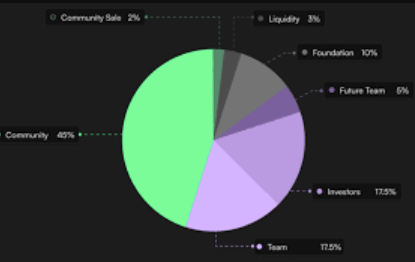
The structure of team token allocations is typically broken down into core components such as initial allocation percentages, vesting schedules, and governance or voting rights distributed to contributors.
An analytical view shows how strategic governance shapes decision power, balancing early mover incentives with long-term alignment.
Founders influence allocation emphasis, yet rigorous controls prevent disproportionate control and promote sustainable, data-driven collaboration.
What Vesting Schedules Do Teams Use in Practice?
Vesting schedules in practice typically combine time-based cliffs with gradual vesting to align contributor incentives with long-term project milestones. Data indicates common patterns: 4-year terms with 1-year cliffs, monthly or quarterly vesting thereafter, and accelerated vesting on change of control. These structures influence decisions around team vesting and founder equity, balancing risk, retention, and perceived fairness across stakeholders.
See also: Emerging Trends in Enterprise Risk Technology
What Red Flags Signal Unfair Token Allocations?
Red flags in token allocations emerge when ownership concentrates disproportionately, lacks transparency, or departs from market norms without justification.
The analysis focuses on signals such as opaque cap tables, inconsistent vesting, and preferential access for insiders.
Unfair signaling suggests biased narratives.
Bias mitigation requires clear disclosure, independent audits, and standardized benchmarks to align incentives with long‑term value and stakeholder fairness.
Conclusion
Team token allocations, when examined through a data-driven lens, reveal the balance between commitment signals and risk of concentration. Proper vesting, transparency, and independent oversight mitigate misalignment and opacity. Euphemistic phrasing can depict governance safeguards as prudent stewardship rather than control, while subtly underscoring the stakes of timing and distribution. In sum, disciplined design reduces tail risk, preserves trust, and sustains long-term alignment among founders, early contributors, and the broader ecosystem.